
 Building a new house can be an exciting experience. However, it can become confusing if you don’t know what to do first. Whether you plan to work with home builders or manage parts of the construction project yourself, having a clear plan makes everything easier.
From securing financing for your home to the final walkthrough, this ultimate home-building checklist shows you what to expect during the process. Keep reading to learn how to build your new home the right way.
Key Takeaways
- A new home construction checklist can help you understand what to look out for while building your dream home.
- Some important steps include securing finance, getting the right permits, and framing your dream home.
- SRC Land offers Texas land for sale with the right zoning and utility access.
-
Secure Financing and Purchase Your Land
Before starting any home-building project, you need to secure financing. You can start by checking your credit score and setting a clear budget. If you want to buy land without worrying about your credit, seller financing makes buying easier. It lets you work directly with the seller rather than getting a traditional construction loan.
Here at SRC Land, we offer seller financing options to make buying land accessible to all potential Texas landowners.
-
Find the Right Piece of Land
Next, focus on finding the perfect location to buy land and build. Be sure to review the property survey and boundaries, and check that the title is clear. It is also important to think about school districts and distance to work, since these details can affect daily life once your home is complete. The team at SRC Land can help you find the perfect property to build your dream home.
-
Gather Your Building Team
Every successful home-building project needs the right team. These professionals help plan the work, manage the building process, and complete each part of the home. Before hiring, take time to interview several contractors. You can ask to see their past work and speak with previous clients. Also, be sure that everyone agrees on the timeline and budget from the start.
Your building team may include:
- A property developer
- A general contractor
- An architect
- Home builders
- Plumbers
- Electricians
- HVAC specialists for heating and cooling systems
-
Design Your Dream Home and Get Permits
Designing your new house is one of the most exciting parts of the building process. Think about how you use space every day. Do you need a home office, a bigger kitchen, or a covered porch? Take time to consider your priorities.
After finalizing your design, you’ll need permission from your local government to start construction. Building on properly zoned land means you’ll need to follow local rules and building height, setbacks, and style. Your architect knows these requirements and designs your home to meet them. Here are some permits you may need for your new building:
- Building permit for the main structure
- Electrical permit for all wiring
- Plumbing permit for water and sewer lines
- Mechanical permit for heating and cooling systems
- Grading permit if the land needs leveling
Keep in mind that permit approval can take time, and include it in your schedule. Inspectors will check different stages of your residential construction and approve each stage before work can continue.
-
Complete Site Preparation
Site preparation gets your land ready for building. This stage includes clearing, leveling, and marking the exact location where the house will sit. Some site tasks to complete include:
- Clear trees, rocks, and brush from the building area
- Level the ground where the house will stand
- Mark utility line locations for water, sewer, and power
- Set up temporary power for construction equipment
- Create access roads for trucks and equipment
- Plan for trash removal during construction
All SRC Land properties come ready for your home construction projects, with utilities and access established.
-
Build the Foundation
The foundation supports your entire house. Building it correctly is essential. Foundation problems are also hard to fix later. Most Texas homes use either a slab foundation or a pier-and-beam foundation. The soil type and your budget help to determine which works best.
Important foundation steps to consider include:
- Digging trenches for the foundation footers
- Installing forms that shape the concrete
- Placing steel reinforcement bars, called rebar, for strength
- Pouring concrete for footers and foundation
- Allowing concrete to dry and harden
- Scheduling a foundation inspection before continuing
- Waterproofing the foundation to block moisture
-
Frame Your Dream Home
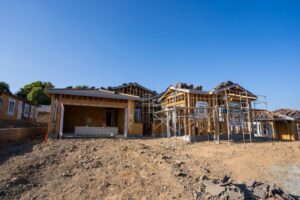
Framing creates the skeleton of your house. During this phase, you can see the shape and size of each room. The building team constructs walls, floors, and roof structure using wood or metal framing. Framing usually includes:
- Building the exterior walls
- Creating interior walls that separate each room
- Installing floor joists
- Setting roof trusses
- Adding roof sheathing
- Installing the home’s exterior sheathing.
-
Install Plumbing and Rough-In Systems
Once the framing passes inspection, it is time to install the plumbing, electrical, and heating, ventilation, and air conditioning (HVAC) systems.
Professional plumbers install all water supply lines and drain pipes. They place pipes for every sink, toilet, shower, and appliance that uses water. Electricians run wires through walls to every switch, outlet, and light fixture location. They install the main electrical panel that controls power throughout the house. The HVAC contractors install your cooling and heating systems. They install the ductwork that carries air to every room. With proper installation, you can maintain comfortable temperatures throughout the year.
-
Add Insulation and Hang Drywall
Good insulation makes your home comfortable and energy efficient by slowing heat transfer. In the summer, it keeps cool air inside. In the winter, it keeps warm air from escaping. Texas homes need insulation designed for hot climates.
Once insulation is complete, workers hang drywalls that create smooth interior walls ready for painting. This stage usually transforms the rough framing into rooms that allow you see the size and flow of your home’s interior.
-
Complete the Home’s Exterior
While the inside work continues, your building team also needs to finish the home’s exterior. The home’s exterior protects everything inside from the weather, and it’s also essential for energy efficiency. Outdoor fixtures typically include:
- Installing roof shingles, metal, or tiles
- Adding exterior siding made of wood, brick, stone, or vinyl
- Placing all windows and exterior doors
- Installing garage doors
- Adding gutters that direct rainwater away
- Painting or staining exterior surfaces
- Installing outdoor light fixtures
-
Incorporate Personal Touches with Interior Finishes
This stage lets you incorporate personal touches that make the house feel like home. Your choices express your personality. So, pick colors and materials you will enjoy seeing every day.
Home builders can show you samples and help you make decisions. Some choices affect the budget more than others, so you’ll need to plan carefully.
-
Add Landscaping and Outdoor Spaces
Landscaping improves how your property looks and helps protect your home by directing water away from the foundation. Good landscaping also adds value and creates outdoor spaces for relaxing and spending time with family and friends.
When choosing grass and plants, pick options that grow well in Texas weather. Native plants need less water and care, which saves money over time. Many prospective homeowners forget to plan for landscaping costs, so it is smart to include these expenses early in your home-building budget.
Outdoor features may include:
- Installing a driveway and walkways with concrete or asphalt
- Building a patio or deck for outdoor living spaces
- Adding outdoor lighting for safety and curb appeal
- Setting up a sprinkler system for easy lawn care
- Arranging for trash removal of leftover construction debris
-
Final Walkthrough and Move-In
The final walkthrough is your chance to check everything before officially taking ownership. Walk through with your contractor and make a list of any items that need fixing. Generally, you should check the following:
- All light fixtures work properly
- Plumbing has no leaks
- Interior doors open and close smoothly
- Garage doors operate correctly
- Windows open, close, and lock
- HVAC system heats and cools well
- All outlets and switches function
- Paint and finishes look good
Your contractor can create a punch list of small items to fix, including adding touch-up paint, adjusting a door, or replacing a scratched fixture. Once everything on the list is complete, you get your certificate of occupancy. This official document means your new home meets all building codes and is safe to live in. Now you can finally move into your dream home.
Start Your Home Building Project with SRC Land
Building a new home takes careful planning. While every project is different, following this home construction checklist can make the process much easier.
SRC Land specializes in providing prospective landowners with Texas land for sale that is ready for building. We help would-be homeowners find affordable property and offer owner financing options that make buying land accessible. Whether you work with professional home builders or manage parts of the construction project yourself, having the right land is the foundation of success.


