
If you’re new to the land buying process, there are helpful tips to remember before putting forward your best and final offer. An important piece of advice real estate and land experts will give to buyers is for them to budget for costs that will be used for development and fees, in addition to what you’re likely to spend on the property itself.
Among one of the major costs that a buyer should never ignore is the price you’re expected to pay to bring in utilities to the property. Most land purchases are made with the intention of building on them, and one of your responsibilities will be to take on the effort of overseeing the process of utilities development. Below, you can find some suggestions to help you learn how to get utilities on land.
Key Takeaways
- You should check any property you’re considering buying for existing utility hookups.
- If you’ve confirmed the property needs new utility connections, you can begin by calling utility providers in the area.
- In some cases, alternatives like generators, wells, and propane tanks may make more sense than connecting to utility providers.
- The cost of adding utilities can range widely, but typically falls around $10,000 or higher per utility, with some options coming with lower costs.
How to Check for Utility Lines on Vacant Land
A first step will be finding out if the property you’re looking to purchase has utilities. Knowing the street address will make the process simple and as quick as an internet search or a phone call. Typically, you will need to determine who provides utilities in that area, and then check with that provider about hookups on your specific lot.
With the property’s address or assessor’s parcel number and GPS coordinates, you’re ready to find out more about whether or not public utilities are available. For water and sewer, reach out to the county’s Planning and Zoning Department or the Building Department to ask if the area is serviced by the public system provider.
Conduct a Google Maps search for your county’s power company name, and check whether power lines exist on the road in front of your lot. If services aren’t provided for the property, the company you called may be able to provide information for other companies that can serve the area. The Planning and Zoning Department will also be able to provide you with companies available in the area.
This step will help you better understand what costs are anticipated in addition to the land’s purchase price. Keep in mind that rural vacant land may mean a lower fee for installation, as opposed to a more residential area. And if there’s no address associated with the parcel, the county offers GIS maps where you may find out the names of roads, nearby intersections, and addresses.
How to Get City Water, Natural Gas, and Other Utilities
If you’ve found a piece of property you want to buy but that doesn’t have the utilities in place that you need, you will have a challenge ahead of you. Getting utilities to land can be difficult and cost a lot of money, so it’s a smart idea to plan ahead and buy land that has the utilities you need. However, if you do need to add utilities to your lot, you can follow the tips below.
Connecting to Public Water and Sewage
Most homes receive water services through a municipal system. Hooking up water services through a municipal system will be the easiest and least expensive way to get water for your property. If no access to municipal water is available, contact the county and request a connection. In order to do so, you’ll be required to install a hookup to the water main.
If the land you’re considering is outside of the area of municipal water system service, the other option would be to drill your own well. Sewer or septic system installation is another cost that will depend on the location of your property and whether there is access to a municipal sewer main.
Connecting to Electricity
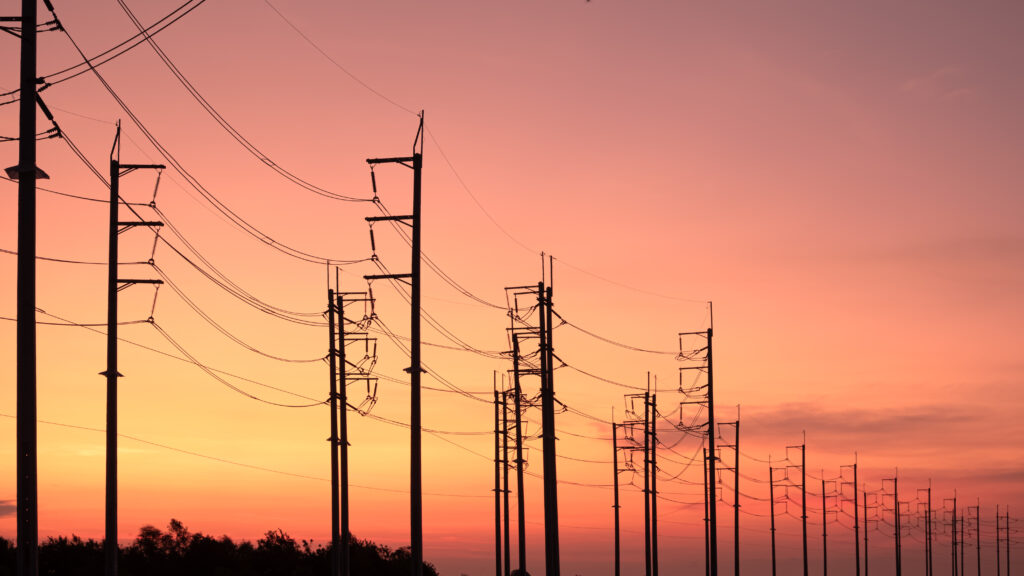
You have options when it comes to your electrical needs. The presence of power poles suggests that you should be able to access electricity from a utility company, but some properties may not be connected to the closest utility lines. If your electrical needs are temporary or you need reliable energy in poor weather, using a generator with battery storage or solar panels may be a better option.
Connecting to Natural Gas
To connect to natural gas, you’ll start calling utility companies serving your area. You can start a service request with the local utility provider, possibly installing a main extension to connect the existing lines to your property. For rural areas and rural properties, it may make more sense to install a propane tank.
The Cost of Utilities Connections on Undeveloped Land
At this point, most potential land buyers are wondering what will running utilities to land cost? There’s no standard answer, and the cost will largely depend on location and how close the land is to public utility connections.
The costs of utilities can range between $10,000 and more than $30,000, and it’s important to note that some cities and power companies could potentially charge more for services. For a more precise cost, local service providers or a local contractor can offer an estimate when public utilities aren’t available.
- Cost for Water Utilities – Calculating the costs of procedures, permits, and requirements, the cost of water to your land may range from a few hundred dollars to upwards of $5,000. Note that a well installation may be pricey and require an investment of anywhere from $2,000 to $25,000, depending on the depth of the well.
- Cost of Electric Utility Hookups – The cost of getting electricity to an empty lot will vary depending on things like the distance from existing lines and the size of the lot. Typically, you can expect to pay between $10,000 and $30,000, with very rare installations costing as little as $2,500. The cost of installing solar panels or a generator can reach into the tens of thousands of dollars, as well.
- Connection Costs for Natural Gas – Adding a natural gas line to your lot can cost between a few thousand and more than $10,000, with the cost increasing if a gas main extension is needed. Installing a propane tank typically costs a few thousand dollars.
Connecting Utilities Requires Patience and Budget Planning
With proper planning, some guidance, and a bit of patience, purchasing your very own property is an exciting time for anyone new to buying land. If you find the perfect piece of land in Texas, don’t forget to consider the cost and hassle of adding utilities. Or, if you want to avoid that headache, be sure to buy land that already has the utilities you need.
Here at SRC Land, we develop land to ensure it’s ready for any projects our buyers may have in mind. When you buy land from SRC Land, you don’t have to worry about the costly and time-consuming process of creating utility hookups: we’ve already got that taken care of. If you’re looking for the perfect property in South Texas to build your dream home, check out our properties for sale today!


